Friday, 10 August 2012

Janmashtami


God-child; prankster; quintessential lover; divine hero; and the Supreme Being – all rolled into one – Lord Krishna -  whose birthday is celebrated on ‘Janmashtami’ - which is also known as ‘Gokulashtami’. His flute, blue-ish skin; peacock-feather crown and yellow coloured dhoti makes Lord Krishna stand apart from all other Hindu Gods.
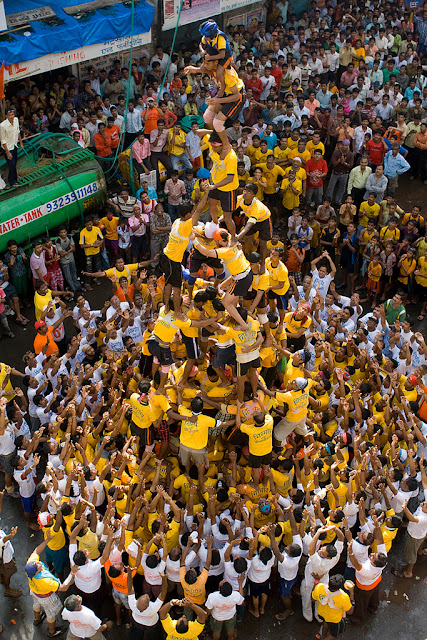
Spanning two days – the commemoration of Lord Krishna’s birth comprises fasting on the first day; partaking in his worship at Temples till midnight when Lord Krishna is said to have been born; lots of fun and frolic at the Janmashtami festivities during the second day when the Hindu communities all over the world perform dances depicting the various events in Lord Krishna's life and the much awaited ‘Dahi Handi’ festivities.


sri krishna art

The High-point of the Janmashtami is the ‘Dahi Handi’ – where clay pot filled with ‘dahi’ (curd) and money are strung up 30-60 feet high in the air in an open-air street or grounds and young boys form human pyramids to reach the height of the pots to smash them open. This sport is performed in remembrance of Lord Krishna’s fondness for butter and curd. Forming human pyramids is not as easy as it appears as these pyramids have 3-6 layers and they require sturdiness and strength from each and every player else the whole pyramid comes crashing down and they would have to regroup again. Most times it takes multiple attempts before they get it right.
The dual-essence of Janmashtami can be best experience at:
·         Mathura – the birthplace of Lord Krishna which is in the present Uttar Pradesh State – on the Delhi-Agra Highway. Mathura is also referred to as ‘Braj-Bhoomi’; ‘Shri Krishna Janma-Bhoomi’ and ‘Madhuvan’. Mathura is where the ‘Kesava Deo Temple’ is – which was built over the prison which was believed to be the birthplace of Lord Krishna. Lord Krishna is said to have been born by divine mental transmission from Vasudeva to Devaki. The current ‘Kesava Deo Temple’ was built by the medieval Rajput King - Raja Vir Sinh Bundela of Orchaa, during the reign of Mughal Emperor Jahangir. The original temple is believed to be built about 5000 years ago Vajranabha, the great-grandson of Lord Krishna. According to the sankrit epic of ancient India – Mahabharata, Mathura was the capital of the Surasena Kingdom which was ruled by King Kansa – the maternal uncle of Lord Krishna. The entire present area of Braj-Bhoomi can be divided into 2 distinct units: the Eastern Part in the Trans-Yamuna zone with places like Gokul, Mahavan, Baldeo, Mat and Bajna and the Western Side of the Yamuna covering the Mathura region that encompasses Vrindavan, Govardhan, Kusum Sarovar, Barsana and Nandgaon.
krishna childhood
govardhan temple
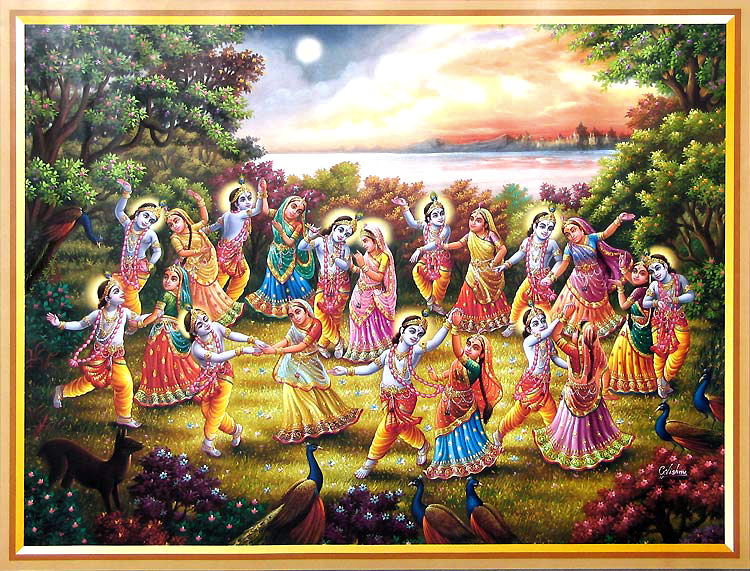
Vrindavan (also known as Vraj) - currently a town but is a site of ancient forests – located about 10 kms from Mathura. Lord Krishna’s playful and loving characteristics and his childhood pastimes are attributed to his life here at Vrindavan. Said to be the most romanntic of all Hindu Gods, Lord Krishna along with his beloved Radha spent all their time in merriment, song and dance on the celestial banks of River Yamuna along with the other Gopis - all of which is called the 'Raas Leela'. It is also said that at Vrindavan, Lord Krishna along with his brother Balaram and his cowherd friends stole butter, pulled pranks and fought with demons. Today, Vrindavan is known for its hundreds of temples – mostly dedicated to Lord Krishna.
vrindavan temple

Raasa Leela
 Govardhan – about 15 kms from Mathura is another Holy site of Hindu pilgrimage as it is said that Govardhan houses the ‘Govardhan Hill’ which Lord Krishna used to uphold on his little finger in order to save the Hill from the wrath of the Hindu God of rains – Indra. Govardhan is home to numerous Lord Krishna Temples, the ‘Manasi Ganga’ Lake and the river-ghats. Parikrama and Guru Purnima is what Govardhan is famous for apart from Janmashtami. Hindu pilgrim visit Govardhan during Janmashtami as well as Guru Purnima.
govardhana giri
Mumbai (previously called Bombay) – where celebrations of epic proportions gyrate to a feverish pitch – like nowhere else in the whole world. Here you get to see the most extravagant and fun-filled festivities of Krishnashtami.
janmashtami celebrations

janmashtami celebrations

janmashtami celebrations
 ISKCON – ‘the International Society for Krishna Consciousness’ is a Gaudiya Vaishnava religious organization which was founded in the New York City in 1966 by His Divine Grace Abhay Charanaravinda Bhaktivedanta Swami Prabhupada. Beliefs preached here are based on Srimad Bhagvatam and Bhagavad-Gita – traditional ancient Hindu scriptures. ISKCON today has more than 400 centres worldwide.
krishna iskcon
On Janmashtami, temples in Mathura install baby cradles with small statues of Lord Krishna (called Baal Mukund) in them and offer prayers, bhajans and recite Lord Krishna deeds. Elaborate rituals are performed on both days of Janmashtami in Mathura. Krishna devotees throng in millions to Mathura for pilgrimage on Janmashtami.
And those who cannot make it to Mathura visit their local Lord Krishna Temples or the ISKCON Temple which is known for spirited worship.
And Ofcourse, Bombay needs no introduction. If you want a mix of both spiritualism and fun on Janmashtami, then it’s Bombay you need to visit this Janmashtami.

Courtesy : http://blog.hoparoundindia.com

Bhagsu Waterfall, Himachal Pradesh


The Bhagsu village is a very famous tourist destination for pilgrimage and day picnics. The famous Bhagsu Nag (Snake God) Temple and Bhagsu Falls are located in the village.

bhagsu


The Bhagsu Falls is an extremely beautiful waterfall that appears splendid during monsoons. The water rushes down from a height of 30 feet and the splashes are amazingly fresh.

bhagsu waterfalls


A small cafeteria is located near the waterfall for snacking.

The Bhagsu Nag temple is an ancient temple located here dedicated to Lord Shiva. The temple is very sacred to the local residents of the area especially the Gurkhas. An annual fair is held here in the month of September that attracts a number of tourists.


Wednesday, 8 August 2012

Kumarakom Kerala

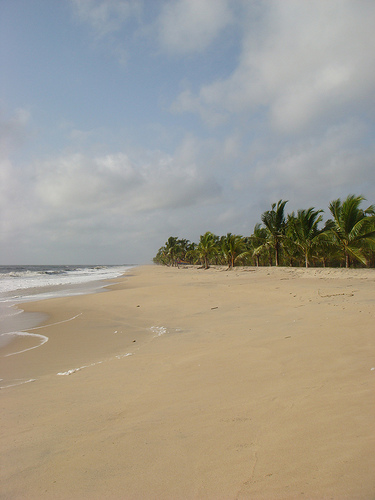
 The Kumarakom beach is a place to enjoy in water and spend a lazy day. The beautiful coastline is clean and unspoilt that offers natural beauty and serenity.
kumarakom

Visitors can also enjoy swimming, snorkeling and other wateractivities.


fresh water lake


The Vembanad Lake is one of the largest fresh water lakes in India.It is home to many marine and freshwater fishes like shrimp, crabs, prawn and fresh water fishes and the rarestPearl spot fish.

Vembanad Lake is commonly known as Vembanad Kayal or Vembanad Kol. The Nehru Trophy Boat Race is celebrated annually in the lake in the Kuttanad region. Vembanad Lake is divided into two zones, namely the salt water zone and freshwater zone.

The lake has a variety of birds, animals, reptiles and plants that makes it an ideal tourist destination in the area.

The boating and cruises in the lake make it special and popular. In fact the lake makes Kumarakom a place to visit. Many exciting house boats are located in this Lake.

More info on kerala visit @ www.hoparoundindia.com

Tuesday, 7 August 2012

Adventure Sports In Rishikesh

The turbulent rivers and nearby mountainous area of Rishikesh makes it an ideal and excellent spot for adventure sports. Some of them includes White Water Rafting, Canoeing, Trekking, Rock-Climbing / Mountaineering, Camping and Skiing (especially in winters), body surfing & cliff jumping, Kayaking, Canoeing, etc. Interested tourists can enjoy the unique flavor of adventure sports in the Himalayan town of Rishikesh. Details of some of the adventure sports with key highlights are mentioned below

Trekking- Rishikesh is an ideal location for rafting and cannoning and trekking activities due to its wonderful location down the hills. Travelers from various parts of the country and across the globe come to Rishikesh every year, to enjoy the gigantic Himalayan treks.

Trekkers can enjoy the thrilling experience of vast mountain ranges, cool rivers and dense forests. Ancient temples, Buddhist monasteries and beautiful sceneries of the surroundings on the way attract the trekkers.

Trekking into Garhwal Himalayas is one of the key attractions here. 
The trek starts from Thalisain via Pauri. The adventurous journey from Thalisain takes us through a very rich forest of pine, oaks, deodar and silver fir full of wildlife.

Another interesting trek is Buwani Neergud. This trek is short and compact. The key attractions are natural environment, forests, beautiful sceneries, waterfall etc. The trek is comparatively easy and can be done by people of average fitness levels. This is an ideal trek for small groups and corporate teams and can be done over the weekends.

Roopkund trek is another attractive trek here. Roopkund is situated at a height of 5029 meters in the lap of Trishul ridge. The presence of human and animal skeletal in the lake makes this as a mysterious place. Other important trekking routes of Rishikesh include Devi National Park Trek, Kauri Pass Trek, Kalindi Khal Trek, and Kankul Khal Trek.

To have safe and enjoyable Trekking, one is advised to keep the followings with them such as a torch, inner fleece body warmers, comfortable shoes suitable for hikes/treks, windproof jackets, warm headgear/balaclava, gloves, trekking pole, cameras, first aid box for personal medication if required etc. All clothing/luggage should be kept in rucksack/soft bags so that they can be easily carried on ponies.

Kaudiyala- It is an ideal place for rock climbing and is located at a height of 380 m from sea level nearby Rishikesh. Dense forests surround the entire vicinity. Rare view of wild animals in their natural habitat can be experienced here. One is advised to keep a torch, comfortable shoes suitable for hikes/treks, cameras, first aid box for personal medication if required etc. to have a safe and enjoyable rock climbing.

White water rafting- Water Rafting is most famous adventurous sport in this region. Domestic as well as international adventurous tourists visit and enjoy this sport. Camping facilities are present with all requirements such as Rafting equipment, proper training guidance etc.  One can have the choice of choosing from easy, medium and tough rapids at different regions of River Ganges.  Dynamic tourists are steadily attracted towards these neat and calm surroundings of this place to enjoy the challenging activity of white water rafting. It is necessary to carry the essential equipment on their own such as goggles, antiseptic cream, tennis shoes, nylon shorts, swimsuit, sandals, hat, medications along (like insulin, inhalers ) etc. to be on safe side.

Rafting- River rafting can be enjoyed by both young and elderly people. The stretch across the Ganges here offers thirteen thrilling rapids from grade I to grade IV. One can chose from the grade as per the age and stamina. One needs to check out the rafter s profile before choosing them. Though there are expert instructors present to guide and provide basic equipment, one needs to carry the essential equipment on their own such as goggles, antiseptic cream, tennis shoes, nylon shorts, swimsuit, sandals, hat, medications along (like insulin, inhalers ) etc. one planning to enjoy white water rafting expedition during spring or autumn should dress accordingly. Rafters are advised to dress themselves in layers so they may easily add or remove accessories as required. One should wear wool or clothing made of synthetic materials in winter while one can opt for cotton cloths in summers

Body Surfing and Cliff Jumping- The skill of riding a wave without using any kind of buoyant device is called body surfing. It is usually done using pair of specially made swim fins. There are some known sites along the River Ganges where one can enjoy this light adventure sport. Experts are available to give introduction. One needs to find out the place where the waves are breaking.  Cliff diving or cliff jumping is one of the most sensational sports to enjoy in Rishikesh. This exciting adventure sport started on the Hawaiian Island of Lana in 1770. One needs to climb up a rock to reach the jumping platform to plunge into the water. One should carefully choose the height of the jumping platform and can take necessary advice from the instructors. Life jacket and a helmet are some of the most necessary equipment to carry before you take jump off the cliff. One should be expertise if trying radical jumps.

Kayaking- This particular adventure sport uses a kayak to paddle across a waterway. One can choose to go on a kayaking expedition or an extended trip across the Ganges. Ganges river rapids have been categorized into different grades according to the difficulty level. They have been classified from Grade I (simplest, slightly moving water) to Grade VI (almost un-runnable water). The sport of kayaking requires little necessary equipment. Such as kayak boat, a paddle and a life jacket, waterproof bags. The most important thing to remember while kayaking is to prevent the kayak from capsizing (overturning). It is always advised to be accompanied by an instructor to get the proper guidance.

Canyoning- This adventure sport is now gaining wide popularity among adventurers. The adventure activity is enjoyed by the various age groups and involves a number of outdoor activities. Narrow Ganga gorges and the rugged terrains of the Shivalik Himalayas offers amazing experience of this unique sport. One can choose from easy or extremely difficult level of canyoning depending upon the skills and stamina. One has to use his navigational and route finding skills as the route may be quite wilderness. One may use the magnetic compass to navigate the direction.  Some of the necessary equipment to carry along with while canyoning are climbing gear, wet suits, ropes, helmets, shoes, rope bags etc. It is also advisable to consult the expert before choosing the path.

rishikesh


Bungee Jumping- Bungee Jumping in Rishikesh is performed through a Cantilever platform built over a rocky cliff overlooking a Rocky River Huel, a tributory of River Ganga. Jumps are done with rubber chords tied to one s ankle. The minimum age defined for Bungee jumping is 12 years. And the minimum and maximum weight should be 35 Kg and 110 Kg respectively. One is advised to have comfortable shoes suitable for hikes/treks, cameras, first aid box for personal medication if required etc. to have a safe and enjoyable jumping. There are charges for combo packages for Bungee and Each jump is priced at Rs 2,500, while there are combo packages for Bungee and flying fox at Rs 3000 and Rs 4000.

For more about Rishikesh visit Hop Around India